After 14 years as a professional cook, a veteran home cook says the pandemic has forced her to rethink how she shops and stocks her kitchen. She can no longer visit stores as often as before, and shelves are not as full when she does, so she now relies on a system of staples she restocks whenever they run out.
She cautions that her list is not a universal shopping guide. Kitchens should grow organically, she writes, reflecting what each person actually wants to cook. Her own kitchen is unusually well-stocked because of her work, and she lives in New York City with a small kitchen and nearby grocery stores and Greenmarkets.
Pantry Staples She Replenishes
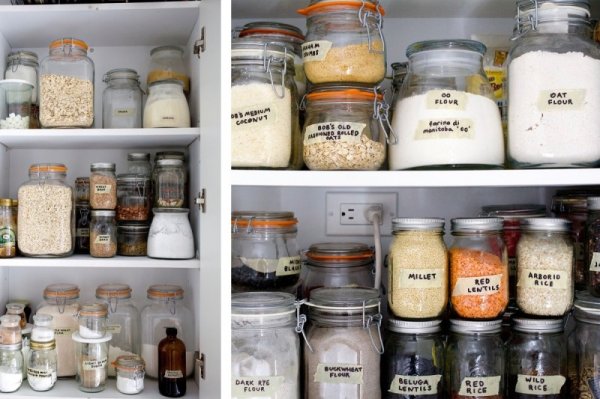
In the pantry, she keeps all-purpose and whole-wheat flour for most baking, along with a mix of pasta shapes, dried rice noodles and ramen-style noodles. For rice and grains, her favorites include long-grain white rice, short-grain brown rice, arborio or carnaroli for risotto, plus small couscous and farro. She also stores dried black beans, small red beans and chickpeas, but warns against buying more than you will use because they go stale.
Canned goods include black beans, kidney beans, cannellini beans and chickpeas, plus 28-ounce cans of whole and crushed tomatoes and tomato paste. She always regrets running out of coconut milk and finds Trader Joe's brand particularly rich.
For liquids, she keeps multiple vinegars, a good olive oil for finishing and an everyday one for cooking. She also stocks toasted sesame, safflower or sunflower, coconut and peanut oils, plus molasses, honey and golden syrup. She makes her own vanilla extract and recently added vanilla bean paste for wedding cake projects.
Other dry goods include rolled and Irish oats, panko breadcrumbs, cornstarch, tapioca starch, dried unsweetened coconut, cornmeal, nuts, dried fruit and ground espresso for their Moka pot. She stores nuts in the freezer to prevent rancidity.
She disagrees with the idea that spices must be replaced after six months or a year. Instead, she trusts her nose and taste, refreshing a spice only when it no longer smells or flavors food as it should.
Fridge and Freezer Favorites
In the fridge, she keeps two levels of butter: an everyday unsalted one for baking and a European-style salted one for toast. She notes that unsalted butter turns rancid faster than salted and recommends freezing it if not used within three to four weeks.
Dairy staples include milk, cream, half-and-half, sour cream, yogurt and buttermilk. She also keeps smooth Dijon mustard, whole-grain Dijon and a spicy mustard, along with Better than Bouillon concentrates in beef, chicken, vegetable, mushroom and turkey flavors. Cheese favorites are sharp white cheddar, aged parmesan and pecorino, halloumi, cotija, cream cheese and sometimes feta.
Other fridge items include eggs, active dry and instant yeast, miso, jams, nut and seed butters, fish sauce, mayo, preserved lemon paste, harissa, capers, olives, anchovies, salami, chile-garlic sauce, hot fudge sauce, maple syrup and chili crisp.
The freezer holds bread, fruit for smoothies, edamame, peas, corn, artichoke hearts, potstickers, wontons, pelmeni, vareniki, tortellini, burritos, tarts, casseroles, bacon, sausage, vacuum-sealed steaks and pork chops, and homemade chicken stock. She also keeps a stock bag of chicken parts and vegetable scraps for future broth.
For produce, she relies on lemons, limes, apples, oranges, mango, cantaloupe and pineapple, plus fridge vegetables like carrots, celery, cabbage, cauliflower, broccoli, leeks, scallions and greens. She suggests wilting greens before storing to save space and wrapping leafy herbs in a barely damp paper towel inside a zip-lock bag to extend freshness.
She also addresses food insecurity, noting that she has automatic monthly donations set up for No Kid Hungry and Feeding America, a nationwide network of more than 200 food banks.



Editorial Notes