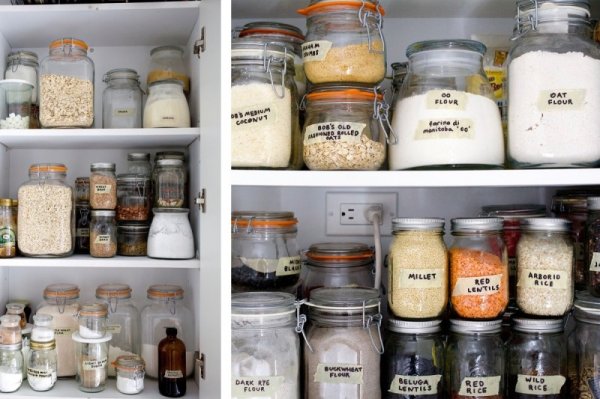
After 14 years of writing about food and cooking professionally, a New York City-based cook has finally yielded to reader requests for a peek into her own kitchen shelves — not as a prescriptive list, but as a tour of the items she consistently restocks. The impetus, she explains, is the pandemic, which has made frequent grocery trips impossible and shelf-stable planning a necessity.
"I can't safely go to the store as often as I used to," she writes, noting that her small Manhattan kitchen and proximity to markets once allowed her to shop daily. Now, she says, "I have to be strategic; I need a system." The result is a detailed, category-by-category rundown of the dried goods, canned items, refrigerated staples, and freezer backups she keeps on hand — along with candid notes on what she skips.
Pantry Priorities: Flour, Pasta, and Beans
In the dry goods department, all-purpose and whole-wheat flour cover most baking needs, with a warning that whole-wheat flour goes rancid faster and should be frozen if used infrequently. She avoids cake flour, making her own blend instead. Pasta shapes range from long to tiny, with Setaro as a preferred brand, and rice noodles and ramen-style noodles are always stocked.
Rice and grains include a long-grain white and a short-grain brown, plus arborio or carnaroli for risotto. Farro, barley, and freekeh are regulars, while quinoa and millet are bought only for specific recipes. Dried beans — black, small red, and chickpeas — are staples, but she cautions against overbuying, noting that canned beans are a perfectly acceptable alternative. She highlights chana dal for ultra-smooth hummus and French green lentils for salads.
Sugars of all types fill her baking shelf, and she advises airtight storage for brown sugar. Other dry goods include rolled and Irish oats, panko breadcrumbs, cornstarch, unsweetened coconut, cornmeal, and nuts, which she stores in the freezer to prevent rancidity. Ground espresso for a Moka pot is non-negotiable.
On spices, she offers a contrarian view: "I firmly disagree with anyone who tells you spices that are 6 months or a year old have to go." Instead, she trusts her nose and refreshes only when flavor fades.
Canned Goods and Cooking Fats
Canned beans — black, kidney, cannellini, and chickpeas — are everyday workhorses, with Goya for routine meals and Rancho Gordo for special dishes. Whole and crushed 28-ounce tomatoes are versatile, and tomato paste is kept both in cans and tubes, with a tip to freeze leftover paste in dollops. Coconut milk is a must-have, with Trader Joe's cited as a favorite for richness.
Vinegars of many types — white, wine, cider, sherry, rice, and black — are always on hand, though she admits not all are essential. Olive oil comes in two tiers: a delicate finishing oil and an everyday oil for cooking. She recommends California Olive Ranch for the latter and notes that 3-liter cans are economical. Other oils include toasted sesame (kept in the fridge), safflower for high-heat cooking, and peanut for occasional deep-frying. Ghee, she says, is a recent discovery for frying eggs and roasting potatoes.
Fridge and Freezer Essentials
In the refrigerator, butter is stocked in two grades: everyday unsalted for baking and European-style salted for finishing. Dairy staples include milk, cream, sour cream, yogurt, and buttermilk, with a defiant note on buttermilk expiration dates. Mustards are numerous, but a smooth Dijon is the top pick. Better than Bouillon concentrates are praised for flavor and space efficiency, with a vegetarian No-Chicken Base recommended.
Cheese favorites include sharp white cheddar, aged parmesan, pecorino, halloumi, cotija, and feta. Parmesan rinds are saved for soup flavoring. Eggs are large, and yeast — both active dry and instant — is stored in the fridge or freezer, with SAF Instant as a preferred brand. Miso, jams, nut butters, fish sauce, harissa, and chili crisp round out the extras.
The freezer holds bread, fruit for smoothies, vegetables like edamame and peas, and a rotating cast of dumplings, potstickers, and tortellini for quick meals. She also freezes homemade stock in quart bags and keeps a "stock bag" of chicken bones and vegetable scraps. Ice cream is a household constant, with homemade sorbets and mint ice cream made using a no-bowl churner, often drawing on David Lebovitz's Perfect Scoop.
Produce and a Final Note on Giving
Produce staples include lemons and limes for acidity, plus apples, oranges, mango, and pineapple for longer shelf life. Fridge vegetables like carrots, celery, cabbage, and greens are wilted down for storage, and herbs wrapped in damp paper towels last longer. Room-temperature vegetables — shallots, onions, garlic, ginger, potatoes, and winter squash — keep well.
The guide closes with a reminder of food insecurity during the pandemic, noting her automatic monthly donations to No Kid Hungry and Feeding America, a network of more than 200 food banks.



Comments
Sign in to leave a comment
No account? Create one
No comments yet.