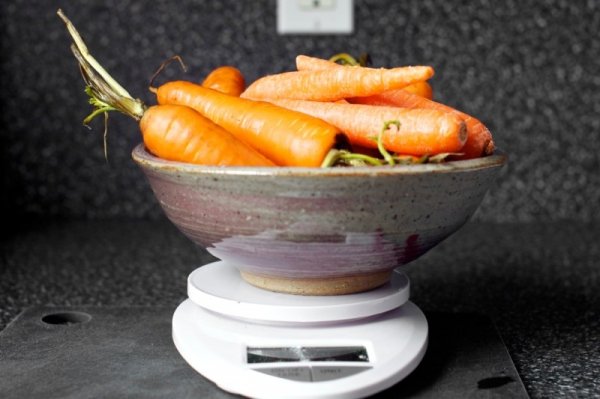
For many home bakers, the humble measuring cup is a source of frustration. A cup of flour can weigh anywhere from 4 to 7 ounces depending on how it is scooped or packed, a variability that can throw off a recipe. Weighing ingredients eliminates this guesswork, and a digital kitchen scale makes the process nearly effortless.
The technique hinges on the tare function, which resets the scale to zero after each addition. Start by placing an empty bowl on the scale and pressing the "On/Clear" button to zero it out. On mechanical scales, a knob can be turned back to the zero mark, while balance scales require setting the pointer to the center. Then, add the first ingredient slowly until the desired weight appears. Press tare again, add the next ingredient, and repeat. This method allows for multiple ingredients to be measured into the same bowl, minimizing cleanup and streamlining the baking process.
Beyond accuracy, weighing ingredients reduces the number of dishes used. A one-bowl cake becomes a true one-bowl operation, with just a spoon for mixing. This approach also speeds up preparation, as there is no need to search through a drawer for a specific measuring spoon. The tare-and-weigh method is simple to learn and quickly becomes second nature, leading many to wonder why they did not adopt it sooner.
Why Weighing Beats Measuring Cups
The primary advantage of a scale is consistency. A cup of flour, whether scooped, spooned, or sifted, can vary significantly in weight, which directly affects the texture and rise of baked goods. By using weights, a recipe becomes reproducible, ensuring the same results every time. This is particularly important for delicate pastries or breads where precision is critical.
Additionally, the tare function allows for sequential additions without dirtying extra bowls. For example, a recipe might call for 200 grams of flour, then 100 grams of sugar, and then 50 grams of butter. By taring between each addition, all ingredients can be added to the same bowl, and the scale will correctly measure each one. This not only saves time but also reduces the amount of washing up.
A Shift in Kitchen Habits
While the United States has been slower to adopt weighing as the standard, many other countries rely on it as the norm. The author of the original piece humorously notes that once you switch, you may find yourself with extra drawer space, previously occupied by a tangle of measuring spoons and cups. That space could be better used for storing chocolate or other baking essentials.
For those new to the method, the learning curve is minimal. Most digital scales are affordable and user-friendly, with a simple button to tare. The key is to add ingredients slowly to avoid overshooting the target weight. With a little practice, the process becomes intuitive, and baking becomes more efficient and enjoyable.
In a world where precision can make the difference between a good cake and a great one, the kitchen scale is a small tool with a big impact. Whether you are a seasoned baker or a novice, incorporating this technique into your routine can elevate your results and simplify your time in the kitchen.




Comments
Sign in to leave a comment
No account? Create one
No comments yet.