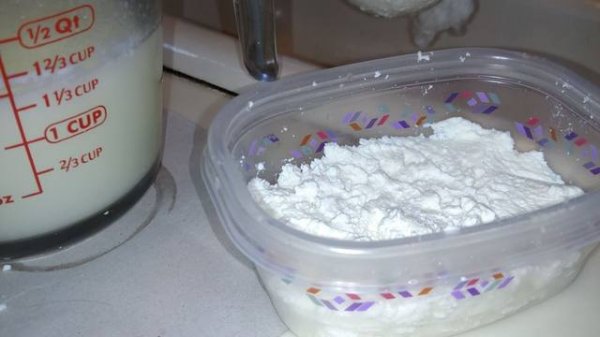
For home cooks seeking the authentic taste of Indian cuisine, fresh paneer is a cornerstone ingredient that often proves elusive in Western supermarkets. While ricotta or other soft cheeses are sometimes used as substitutes, they lack the distinct texture and mild flavor of true paneer. Fortunately, making paneer at home requires only a handful of common ingredients and about 40 minutes of hands-on time.
The process begins with four cups of whole milk, which is combined with one tablespoon of plain yogurt, a teaspoon of salt, and a teaspoon of sugar in a saucepan. The mixture is heated over medium heat, with occasional whisking, until it nearly reaches a boil—bubbles will appear at the edges. At that point, a tablespoon of fresh lemon juice is stirred in, causing the milk to curdle and separate into curds and whey.
Once the curds form, the mixture is poured into a sieve lined with cheesecloth. The cloth is gathered at the four corners and tied, then hung over the sink to drain for 30 minutes to an hour. After draining, the cheese, still wrapped in the cloth, is placed in a bowl and refrigerated until ready to use. For those who prefer firm, sliceable paneer, pressing the cheese into the shape of the bowl with a spoon before refrigerating will yield neat fingers that hold their shape when cooked.
Why Homemade Paneer Beats Store-Bought Substitutes
Paneer is a fresh, non-melting cheese that is central to many Indian dishes, from palak paneer to paneer tikka. Its ability to retain its shape when heated makes it ideal for curries and grilling. Commercial substitutes like ricotta are softer and higher in moisture, which can alter the texture and flavor of a dish. Making paneer at home not only ensures authenticity but also allows cooks to control the ingredients, avoiding preservatives and additives often found in packaged versions.
The recipe yields four servings, with each serving containing approximately 125 calories, 5 grams of fat, 12 grams of carbohydrates, and 8 grams of protein. This nutritional profile makes paneer a relatively high-protein addition to vegetarian meals, and the simple ingredient list keeps it accessible for most home kitchens.
Tips for Perfect Paneer Every Time
The key to successful paneer is achieving the right curd formation. Using full-fat milk yields a richer, creamier result, while the lemon juice acts as the coagulant. The yogurt and sugar are not traditional in all recipes but add a subtle tang and balance that enhance the final flavor. Draining time affects texture: a shorter drain produces softer paneer, while a longer drain results in a firmer cheese suitable for frying or grilling.
Once prepared, the paneer can be stored in the refrigerator for up to a week, though it is best used within a few days. It can also be frozen for longer storage, though the texture may become slightly crumbly after thawing. With this straightforward method, home cooks can bring a touch of Indian authenticity to their kitchen without relying on hard-to-find specialty ingredients.









Comments
Sign in to leave a comment
No account? Create one
No comments yet.