
Weighing ingredients rather than measuring them in cups produces more consistent baking results, according to Deb Perelman, the recipe developer behind the blog Smitten Kitchen. In a post explaining her approach, Perelman said she tries to include weights for ingredients in almost every recipe she publishes and recommends the practice to home bakers.
The core problem with cup measurements is variability. Perelman noted that a cup of flour can weigh anywhere from 120 to 190 grams depending on how it is measured. That range can meaningfully change the outcome of a cake, cookie, or bread dough, she wrote. A scale eliminates that uncertainty.
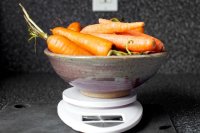
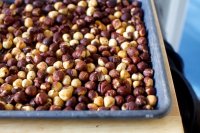
Certain ingredients are particularly difficult to measure by volume. Perelman singled out almond flour, which she said can be pressed and packed to nearly double its volume in a cup. Flaked coconut, oats, nuts, and chunks of fruits or vegetables present similar problems, she wrote.
Fewer Dishes and Less Fuss
Beyond accuracy, Perelman cited ease as a reason to use a scale. An inexpensive model can last for years, she wrote. Bakers add each ingredient directly to the bowl, taring the scale to zero between additions, rather than dirtying multiple measuring cups.
She described measuring sticky ingredients such as mayonnaise, peanut butter, and honey in cups as maddening, requiring repeated scraping. Weighing those ingredients directly into the bowl avoids the step entirely.
Measuring spoons still have a place for very small amounts, Perelman wrote. She said it is easier to scoop and level a half-teaspoon of cinnamon or a quarter-teaspoon of baking soda than to get a precise reading on a large scale. Perelman noted she owns a highly accurate gram scale for small quantities, but said that level of precision makes sense for her because she develops recipes professionally.




Editorial Notes