
For home bakers seeking consistent results, the humble kitchen scale has become an indispensable tool, offering a level of precision that measuring cups simply cannot match. The difference in outcome can be staggering: a single cup of flour can weigh anywhere from 120 to 190 grams, depending on how it is scooped and leveled. This variability, as noted by the recipe developer behind Smitten Kitchen, can dramatically alter the texture of cakes, cookies, and bread dough.
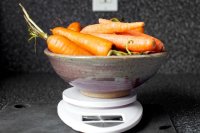
Weighing ingredients eliminates this guesswork, ensuring that each batch turns out as intended. The practice is not just about accuracy, though; it also simplifies the baking process. By placing a bowl on a scale, adding ingredients one by one, and using the tare function to zero out the weight between additions, bakers can streamline their workflow and reduce the number of dirty dishes.
Certain ingredients are particularly problematic when measured by volume. Almond flour, for instance, can be pressed and packed to nearly double its volume in a cup, making weight-based measurement almost essential. Flaked coconut, oats, nuts, and even chunks of fruits or vegetables present similar challenges, as their density varies with how they are handled.
Practical Convenience and Cleanup
Beyond precision, a scale offers ease of use that appeals to both novice and experienced bakers. An inexpensive scale can last for years, and the tare function means no more scraping sticky ingredients like mayonnaise, peanut butter, or honey out of measuring cups. Weighing these items directly into the mixing bowl not only saves time but also reduces frustration.
However, measuring spoons still have their place, particularly for very small quantities. For a half-teaspoon of cinnamon or a quarter-teaspoon of baking soda, the precision of a scale may be overkill. A gram scale, which is highly accurate in small amounts, can be useful, but for most home cooks, scooping and leveling a measuring spoon is simpler and just as effective.
The recommendation to weigh ingredients is part of a broader trend toward more scientific baking, where precision is valued for its ability to produce reliable, repeatable results. For those who follow recipes from Smitten Kitchen, the author has made a point to include weights for most ingredients, and welcomes feedback on any recipe that lacks them.
In practice, adopting a kitchen scale is a small change with significant payoff. It not only improves the quality of baked goods but also makes the process more enjoyable and less wasteful. As more home bakers discover the benefits, the scale is likely to become as common in the kitchen as the measuring cup itself.




Comments
Sign in to leave a comment
No account? Create one
No comments yet.